
What “Strategy and Implementation” Really Means – And Why Most Businesses Need Both

What “Strategy and Implementation” Really Means – And Why Most Businesses Need Both

In the world of business growth, “strategy” gets a lot of attention, but what happens after the plan is built? That’s where implementation steps in. Many small businesses stall, not because they lack vision, but because they don’t have the bandwidth or support to bring that vision to life.


If you’ve ever created a brilliant marketing plan and then watched it collect digital dust, you’re not alone. Let’s break down what “strategy and implementation” really means, and why most businesses need both to move forward effectively.

What Is Strategy, Really?

Strategy is your big-picture game plan. It defines your goals, clarifies your audience, and maps out how you’ll get from where you are to where you want to be.


A solid business growth strategy includes:

  • Clear objectives and key results (OKRs)
  • Target audience insights
  • Marketing channels and messaging
  • Revenue and conversion goals
  • Tactical roadmaps for each quarter

Think of strategy as the architect’s blueprint. It gives structure, direction, and purpose. Without it, your efforts are likely to be scattered, reactive, and inconsistent.

But as powerful as strategy is, it’s just the first step.
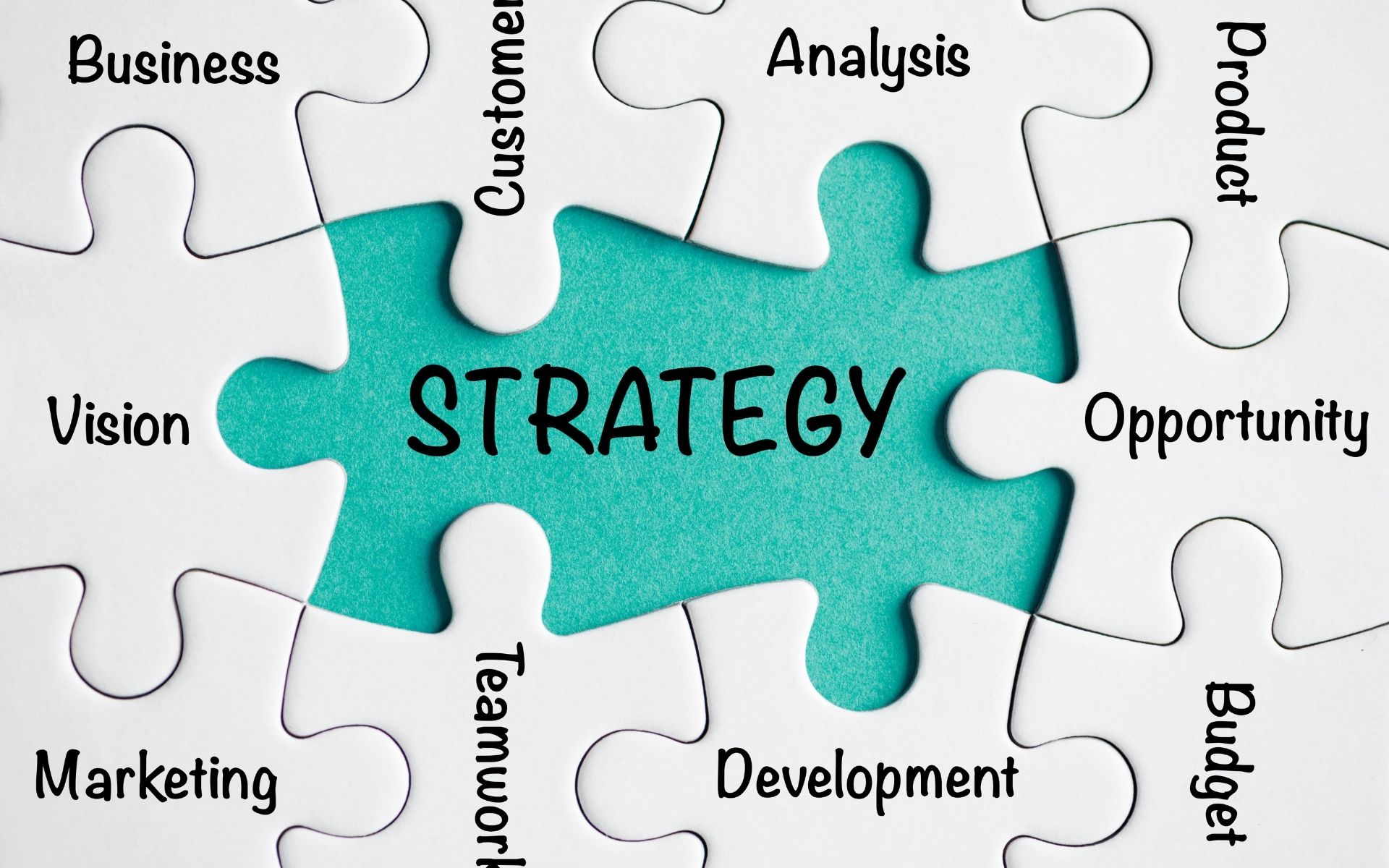
Why Implementation Matters Just as Much

Here’s the truth: strategy without implementation is just a document. Implementation is where the real momentum happens. It’s the consistent, behind-the-scenes action that turns ideas into deliverables. Implementation covers everything from setting up systems and writing email sequences to executing marketing campaigns, publishing content, and tracking performance.
 
In short, implementation is execution… and it’s what keeps your business moving forward day after day.
Too often, small business owners get stuck doing both.

They build the plan and try to carry out every detail themselves. This leads to burnout, decision fatigue, and inconsistent execution.

The Magic Is in the Partnership

Most successful businesses understand that strategy and implementation need to work together, but they don’t necessarily need to come from the same person.


That’s where bringing in strategic support with implementation capabilities becomes a game-changer. A good strategist can zoom out, analyze your data, and offer expert recommendations for growth.


And a great support team will also:
  • Break those strategies down into weekly or monthly tasks
  • Set up and manage tools and systems
  • Create the actual marketing materials (emails, social posts, landing pages, etc.)
  • Track results and make real-time adjustments
This partnership is what allows business owners to stay in their zone of genius, knowing that the vision is not only clear but also being carried out with precision and care.

How “Strategy and Implementation” Shows Up in Real Businesses

Let’s take a look at a few examples of how this dynamic duo works in real life:


1. A Coaching Business Launching a New Program

  • Strategy: Market research, launch plan, messaging framework, email sequences
  • Implementation: Design and scheduling of emails, landing page setup, backend tech, follow-up automations

2. A Consulting Business Pivoting to a New Niche

  • Strategy: New customer journey map, lead generation plan, email marketing funnel
  • Implementation: Setting up lead magnets, creating automated welcome sequences, creation of new social content

3. A Spiritual Service Provider Adding Their First Funnel

  • Strategy: Audit of current systems, mapping client journey through current offers, and automation plan
  • Implementation: Setting up CRM tools, designing and scheduling of emails, and backend tech
In all of these examples, the vision without the execution would have resulted in stalled momentum—or worse, missed opportunities.

Why Most Businesses Need Both

Most business owners are visionaries, not implementers. You might have incredible ideas, a deep understanding of your audience, and a clear growth goal.


But turning all of that into organized action? That’s a different skill set entirely.


Here’s why having both strategy and implementation support is a smart move:
  • You stop second-guessing yourself and start trusting the process
  • You get more done with less effort because tasks are organized and executed for you
  • You avoid the trap of shiny object syndrome… because every action is tied back to your strategy
  • You gain a marketing partner who understands both the why and the how
It’s not about hustling harder; it’s about working smarter, with the right people beside you.

The Bottom Line

Having a brilliant strategy without implementation is like owning a Ferrari and never taking it out of the garage. And executing without a clear strategy? That’s like driving with no destination.


The real power lies in combining both.


If you’re ready to stop spinning your wheels and start gaining traction, it might be time to bring in someone who offers both the vision and the hands-on help to carry it out.


Need Help With Strategy and Implementation?

Whether you’re launching something new or refining what already exists, having a partner who can help you plan and execute makes the entire process smoother, smarter, and more effective. Let’s talk about how we can make that happen for your business.

Book your free 20-minute consult and let’s build a support system that’s as unique as your vision.

Why Your Content Isn’t Landing (And What to Do About It)

Why Your Content Isn’t Landing (And What to Do About It)

If you’re a coach, consultant, or healing professional, you’ve probably asked yourself a version of this question: “I’m showing up. I’m posting. I’m doing all the things. So why isn’t my content getting traction?”


You’re not alone. In fact, you’re not even doing anything wrong.


The problem isn’t you. It’s the playbook you’ve been handed, and the industry-wide shift that’s rendering that playbook obsolete.

The Old Rules Are Fading

There was a time when polished carousels, trendy audio clips, and bite-sized listicles could get you noticed. You followed the algorithm, and it rewarded you. That time is fading.


Social media today is flooded with sameness. Coaches and consultants are unknowingly blending into each other. Their content might be informative, but it’s not distinct. It doesn’t feel personal. It doesn’t stick.


And here’s the hard truth: In a market built on transformation, if your content isn’t felt, it’s not converting.

What’s Really Going On

Audiences are evolving. They’re more discerning. They’re no longer impressed by polish. They’re craving presence.


People don’t just want to know what you know. They want to feel who you are. Especially in fields like coaching and healing, where trust is everything.


This shift is bigger than just a tweak in tactics. It’s a call to come back to the core of your message. To use your story not just as a backdrop, but as the strategy itself.

The Real Reason Your Content Isn’t Landing

It’s not because you’re inconsistent. Or not niche enough. Or lacking in effort.
It’s likely because your voice has been buried under formulas, frameworks, and “shoulds.”


In the rush to be strategic, we’ve forgotten to be real.
If you’re feeling burnt out by content creation, it might not be about capacity. It might be about misalignment.

The Shift That Changes Everything

Here’s what the most resonant, magnetic leaders are doing differently:
  • They treat social media as a conversation, not a performance.
  • They let their values, not just their visuals, lead the way.
  • They don’t chase virality. They aim to be valuable.
  • They don’t try to sound like a brand. They sound like themselves.
You don’t need to add more hacks to your toolbox. You need more you in your marketing.

Your Story Is the Strategy

Your lived experience, your voice, your imperfect insights, that’s what people are waiting for.


Because when you post from that place, you’re not just creating content. You’re building credibility. You’re cultivating trust. You’re making the invisible work of transformation visible.


That’s what gets remembered. That’s what gets shared. That’s what converts.

So, What Can You Do?

Here’s a simple starting point:
  • Audit your last 5 posts. Are they information-driven or experience-driven?
  • Ask yourself: Could anyone else in my field have written this post?
  • Recommit to showing up with your full voice, not a watered-down version of it.

The shift happening in our industry isn’t about abandoning strategy. It’s about infusing it with soul.

You’re not just here to share knowledge. You’re here to lead. And leaders don’t need to be louder.
They need to be more honest.


Now is the time to align your content with your truth. Because the most powerful marketing you can do… is to be fully you.

Ready to add support to your business?

Book your free 20-minute consult and let’s build a support system that’s as unique as your vision.

Your hive. Your rhythm. Your way.

Let’s get you buzzing with purpose again.

What Makes a Newsletter Worth Opening (and How to Deliver Real Value to Your Audience)

What Makes a Newsletter Worth Opening (and How to Deliver Real Value to Your Audience)

developing email marketing newsletters
Once you’ve nailed your subject line and made it to the inbox, your next job is to keep your reader’s attention. In a world full of salesy spam and fluff, delivering real value is what earns loyalty, trust, and action.
Here’s how to build content that converts, and the platforms and support that can help you make it happen:

Delivering Valuable Content

If you want people to open your newsletters again and again, your content needs to deliver. Every email should answer one question for your reader: “What’s in it for me?”
Value driven content for email newsletters

What value looks like:

  • Industry insights: Trends, how-tos, or expert tips your audience can’t Google in 5 seconds.

  • Behind-the-scenes: Show your process, your people, or your progress to build connection.

  • Success stories: Social proof via client wins or transformations builds credibility

  • Interactive elements: Quizzes, polls, and clickable buttons increase engagement.

  • Clear CTAs: Tell readers exactly what to do next.

Segmenting and Personalizing

Not all subscribers are the same, so don’t treat them that way. By segmenting your list and tailoring your messaging, you can dramatically boost open and click rates.

Simple ways to segment:

  • By interest or behavior (i.e., people who clicked on a certain product or topic)
  • By engagement level (i.e., new subscribers vs. loyal readers)
  • By buyer journey stage
Woman working in email marketing

Choosing the Right Email Platform

Picking the right tool can make email marketing easier and more impactful.


Here are some standout platforms:
  • Flodesk: Great for beautifully designed emails with a flat monthly rate. Perfect for creatives and small businesses.
  • MailerLite: Affordable and beginner-friendly with automation and landing page features. Free up to 1,000 subscribers.
  • Mailchimp: A household name in email marketing, known for ease of use, templates, and audience segmentation. Scalable for small to mid-size businesses.
  • ConvertKit: Created for creators, ConvertKit is ideal if you want powerful tagging, automation, and deliverability with a focus on content creators and coaches.
  • Go High Level: Built for agencies or growth-focused businesses that want CRM + automation + email all in one.

How a Remote Team Member Can Help You Execute

You don’t need to be the one writing, designing, and analyzing every email.
A strategic remote marketing team member can support you by:
  • Drafting compelling content tailored to different segments
  • Designing branded, on-point email templates
  • Setting up automation workflows to nurture leads
  • Reviewing performance data and making improvements
This isn’t just task support, this is having a partner who thinks like you do about the bigger picture.
Marketing team working on an email newsletter strategy

Don’t just send emails, send intentional, high-converting newsletters with help from a trusted remote team member who brings both strategic and technical expertise.

Engaging Your LinkedIn Audience: A Guide for Business Owners

Engaging Your LinkedIn Audience: A Guide for Business Owners

LinkedIn stands apart as a beacon for professional networking, offering a unique blend of opportunities for business owners keen on establishing and nurturing professional relationships. Unlike more casual social platforms, LinkedIn’s environment calls for a strategic yet personal approach to engagement. Here’s how you can effectively connect with your audience and ideal clients on LinkedIn, incorporating the platform’s latest features, including newsletters.

1. Share Your Expertise Through Articles
LinkedIn Articles allow you to publish detailed content that showcases your thought leadership. Writing about industry trends, sharing success stories, or offering solutions to common challenges can position you as an authority in your field, inviting engagement and discussion from your professional network.


2. Engage in LinkedIn Groups
Active participation in LinkedIn groups relevant to your industry or interests can significantly elevate your visibility. By offering valuable advice, sharing your experiences, and engaging with others’ posts, you can foster meaningful connections and demonstrate your commitment to your professional community.
3. Customize Your Connection Requests
A personalized connection request can make a lasting impression. Reference a shared interest, a recent publication by the recipient, or something specific you admire about their professional journey to make your outreach memorable and effective.
4. Leverage Polls for Insights and Interaction
Polls on LinkedIn are not just engagement tools; they’re insightful resources for understanding your audience’s preferences and opinions. This interactive content encourages participation and provides you with actionable data to inform your business and content strategies.


LinkedIn engagement-beevee pro-virtual assistant
5. Promptly Engage with Comments
Actively responding to comments on your posts underscores your appreciation for your audience’s engagement. This two-way interaction enhances your relationship with your network and encourages further dialogue and engagement.
6. Highlight Your Company Culture
Use LinkedIn to showcase your company’s culture, values, and milestones. Sharing updates about your team, community engagements, or workplace achievements can humanize your brand and attract potential clients and talent by highlighting what makes your company unique.
7. Incorporate Video Content
Videos are powerful engagement tools on LinkedIn, offering a dynamic way to share insights, product demonstrations, or team messages. They stand out in the feed, capture attention, and can convey your message more effectively than text alone.
8. Publish LinkedIn Newsletters
LinkedIn’s newsletter feature is a fantastic way to regularly engage with your audience. It allows you to send recurring content directly to the inboxes of your subscribers, keeping them updated on industry news, trends, and your latest insights. This direct line of communication builds a dedicated readership and strengthens your professional relationships over time.

The LinkedIn Advantage

Engagement on LinkedIn thrives on authenticity, value, and professionalism. By utilizing these strategies, including the powerful tool of newsletters, you can enhance your visibility, establish yourself as an industry leader, and foster meaningful connections that contribute to your professional growth and business success.
Embrace the unique opportunities LinkedIn offers to engage with your audience in a meaningful way. Remember, the goal is to build trust and credibility, turning professional connections into lasting relationships and potential business opportunities.

Daily Actions to Consider

Content Creation and Sharing

  • Consistent Posting: Aim for at least one post per day, but quality over quantity. If you can be consistent with one post a week then focus on that. Work your way up so that you don’t get overwhelmed and can maintain it before adding more.
  • Diverse Content: Mix text, images, videos, and articles to keep your audience engaged.
  • Share Valuable Insights: Offer helpful tips, industry trends, or personal experiences.
  • Use Strong Visuals: Eye-catching images or videos can significantly boost engagement.
  • Leverage Hashtags: Use relevant hashtags to increase discoverability.
  • Play with polls and other options to make engaging with your content fun.

Engagement

  • Like, Comment, and Share: Engage with content from others in your network.
  • Join Groups: Participate in relevant LinkedIn groups to connect with like-minded people.
  • Respond to Comments: Build relationships by actively engaging with your audience.
  • Direct Messaging: Connect with potential clients or partners through LinkedIn messages.

Network Building

  • Send Connection Requests: Expand your network with targeted connections.
  • Personalized Messages: Craft personalized connection requests to increase acceptance rates.
  • Endorse and Recommend: Show appreciation for colleagues by endorsing their skills.

Profile Optimization

  • Send Connection Requests: Expand your network with targeted connections.
  • Personalized Messages: Craft personalized connection requests to increase acceptance rates.
  • Endorse and Recommend: Show appreciation for colleagues by endorsing their skills.

Analytics and Optimization

  • Track Performance: Use LinkedIn analytics to understand what content resonates best.
  • Experiment with Timing: Find the optimal time to post for your audience.
  • Adjust Your Strategy: Continuously refine your approach based on data insights.

Remember:

Like any social media platform, consistency is key. Building a strong LinkedIn presence takes time and effort. Focus on creating value for your audience, and the engagement will follow.

If all this is overwhelming start with something small and simple like going onto the platform and liking and commenting on 5 posts on weekdays and see how that changes your results. Every small step helps so do what you can consistently.

Stop Casting a Wide Net: Why Defining Your Ideal Client is Your Marketing Magic Bullet

Stop Casting a Wide Net: Why Defining Your Ideal Client is Your Marketing Magic Bullet

Imagine this: You’re a baker, but instead of focusing on perfecting delicious pastries, you spend all your time churning out a random assortment of dishes – vegan sushi, gluten-free pizza, and maybe even a protein shake for good measure. Sounds exhausting, right?
That’s what marketing without a clear ideal client feels like. You’re spreading yourself thin, trying to appeal to everyone, and ultimately connecting with no one. But there’s a better way! Defining your ideal client is the key to crafting targeted marketing that resonates, attracts, and converts.

Why Ideal Client Clarity is Your Secret Weapon?

Laser-Focused Messaging

ideal-customer-BeeVee Pro
Knowing exactly who you serve allows you to tailor your message to their specific needs and desires. You speak their language, address their pain points, and showcase how your services are the perfect solution. This resonates far deeper than generic marketing messages.

Magnetic Marketing

Targeted marketing attracts the right kind of clients. It’s like a magnet that pulls in those who are a perfect fit for your services. No more wasting time and resources on leads that go nowhere. Don’t worry about being specific to one person, those who have some common ground as that person will also resonate with your messaging.

Referral Magic

When you clearly define your ideal client, others can easily recognize them too. This makes referrals a breeze. People in your network can confidently recommend you to the perfect individuals who will benefit most from your services. This is organic marketing gold!

Effortless Sales Conversations

Goodbye, awkward sales pitches! Understanding your ideal client equips you to have genuine conversations that focus on solving their problems and showcasing your value. It’s a win-win for everyone involved. Sharing your message will attract so many more people and feel better to share than feeling like you are pitching yourself all the time.

Brand Consistency

Knowing your ideal client helps you build a brand identity that resonates with them. From your website design to your social media presence, everything reflects who you serve and what you stand for. This creates a cohesive and attractive brand experience.

So, how do you find your ideal client?

A woman wondering how to find her clients - BeeVeePro
Here are some tips to get you started:
  • Analyze your existing client base: Who are the clients you enjoy working with the most? Who sees the best results from your services? Look for commonalities and identify patterns.
  • Develop a client persona: Create a detailed profile of your ideal client, including demographics, challenges, goals, and preferred communication methods.
  • Get feedback: Talk to your current clients and ask them what their biggest challenges were before working with you. What made them choose you over your competitors?
Remember: Defining your ideal client is an ongoing process. As your business grows, your ideal client profile may evolve. The key is to commit to clarity and refine your understanding of who you serve best. Setting reminders to review your ideal client is a great way to get in touch with it again and capture any shifts that you may have noticed allowing you to refine things even more.
Feeling overwhelmed by how to dig into this more? You don’t have to do it alone, book an inquiry call and we can discuss how we can help support you along the way!
By unlocking the power of ideal client clarity, you’ll transform your marketing from scattered efforts to a targeted approach that attracts the right clients, fuels referrals, and propels your business forward.
How Letting Go Can Fuel Your Business Growth!

How Letting Go Can Fuel Your Business Growth!

As an entrepreneur, the concept of control is deeply ingrained in our ethos. It’s a symbol of our dedication, a testament to the sweat, tears, and sheer determination it took to transform our vision into reality. We revel in the minutiae, believing that our hands-on approach is the secret sauce to our success. Yet, paradoxically, it’s this very insistence on control that might be the anchor weighing down the potential for exponential growth in our businesses.

The Second Law of Thermodynamics, a fundamental principle in physics, tells us that systems naturally progress toward a state of disorder or entropy. When applied to the business realm, this principle suggests a counterintuitive truth: the tighter we grip the reins of control, the more we stifle innovation and bog down progress. This relentless micromanagement creates an environment where creativity is choked and efficiency is handcuffed.


The Key to Unlocking Potential: Let Go

The pathway to unleashing your business’s true potential lies in the delicate art of letting go. This isn’t about abdicating responsibility or disengaging from your venture. On the contrary, it’s about strategic delegation, empowering your team, and nurturing an environment of trust and open communication.

Delegate, Don't Drown

The first step in this liberating journey is to delegate. It’s crucial to recognize that delegation is not a sign of weakness but of smart leadership. By assigning tasks to capable virtual assistants or dedicated team members, you free up your most valuable resource—time. This newfound time allows you to concentrate on high-level strategic decisions that can steer your business toward long-term success.

Empower, Don't Micromanage

Empowerment is the cornerstone of a motivated and innovative team. Trust your team members to make informed decisions within the guidelines you’ve set. This trust doesn’t just boost morale; it encourages ownership of projects and initiatives. An empowered team is a proactive team, one that’s more likely to take calculated risks and bring fresh ideas to the table.

Listen, Don't Dictate

Foster an environment where open communication is not just encouraged but celebrated. Listen to your team’s ideas and perspectives. The diversity of thought can lead to groundbreaking solutions and improvements. You build a culture of respect and collaboration by valuing and considering your team’s input.

The Rewards of Letting Go

Embracing this approach may seem daunting at first. It requires a fundamental shift in mindset—from a sole proprietor of ideas to a collaborative leader. Yet, the rewards far outweigh the initial discomfort. As you begin to let go, you’ll notice a transformation not just in your business operations but in the very fabric of your company culture. Innovation will flourish, morale will soar, and your business will grow in ways you hadn’t imagined possible.

Action Steps for Today

  1. Identify three tasks you can delegate immediately. Start with small, manageable tasks to build your confidence and your team’s capabilities.
  2. Schedule a team meeting to discuss project ownership. Use this opportunity to empower your team to take charge of specific projects, signaling your trust in their abilities.
  3. Actively listen to your team’s ideas. Make a conscious effort to foster a culture of open communication where every voice is heard and valued.
Letting go isn’t about losing control; it’s about strategically choosing where to focus your energy for the maximum impact. It’s a journey toward a more dynamic, innovative, and successful business. So, who’s ready to delegate and dominate? Tag a friend who needs to hear this today and join the ranks of entrepreneurs who’ve discovered the liberating power of letting go.

Do you want to delegate tasks to your remote team but unsure how? Download our free guide to effectively delegate and improve your work experience with your remote team.